
AI Training at HBCUs: The Double Meaning No One Is Talking About
Dr. Marcia F. Robinson is a senior certified HR professional, diversity strategist, and curator of TheHBCUCareerCenter.com. She advises organizations on building inclusive talent pipelines and improving diversity recruiting outcomes.
We’ve been having the right conversation about AI training at HBCUs—skills, access, and opportunity. That matters.
But there is a second layer to this story that deserves equal attention.
These partnerships between tech companies and HBCUs are not just about preparing students for the future of work. They are also about shaping the future of artificial intelligence itself.
Let’s be clear and precise.
AI systems do not learn in real time from individual users. They are trained in structured cycles. However, user interaction—what people ask, how they ask it, what they value, and what they challenge—helps shape how these systems evolve over time, which raises an important point.
As more HBCU students engage with AI tools, they are not only building skills, they are contributing to a broader understanding of what matters to a diverse user base, including predominantly Black communities that have historically been underrepresented in technology development.
And that matters because trust is not evenly distributed.
Research from Pew Research Center shows that Black Americans express higher levels of concern about data privacy and surveillance compared to White Americans. Other studies have also highlighted ongoing skepticism about how emerging technologies—including AI—may reinforce bias or be used inequitably.
This skepticism is not unfounded. It is informed by experience.
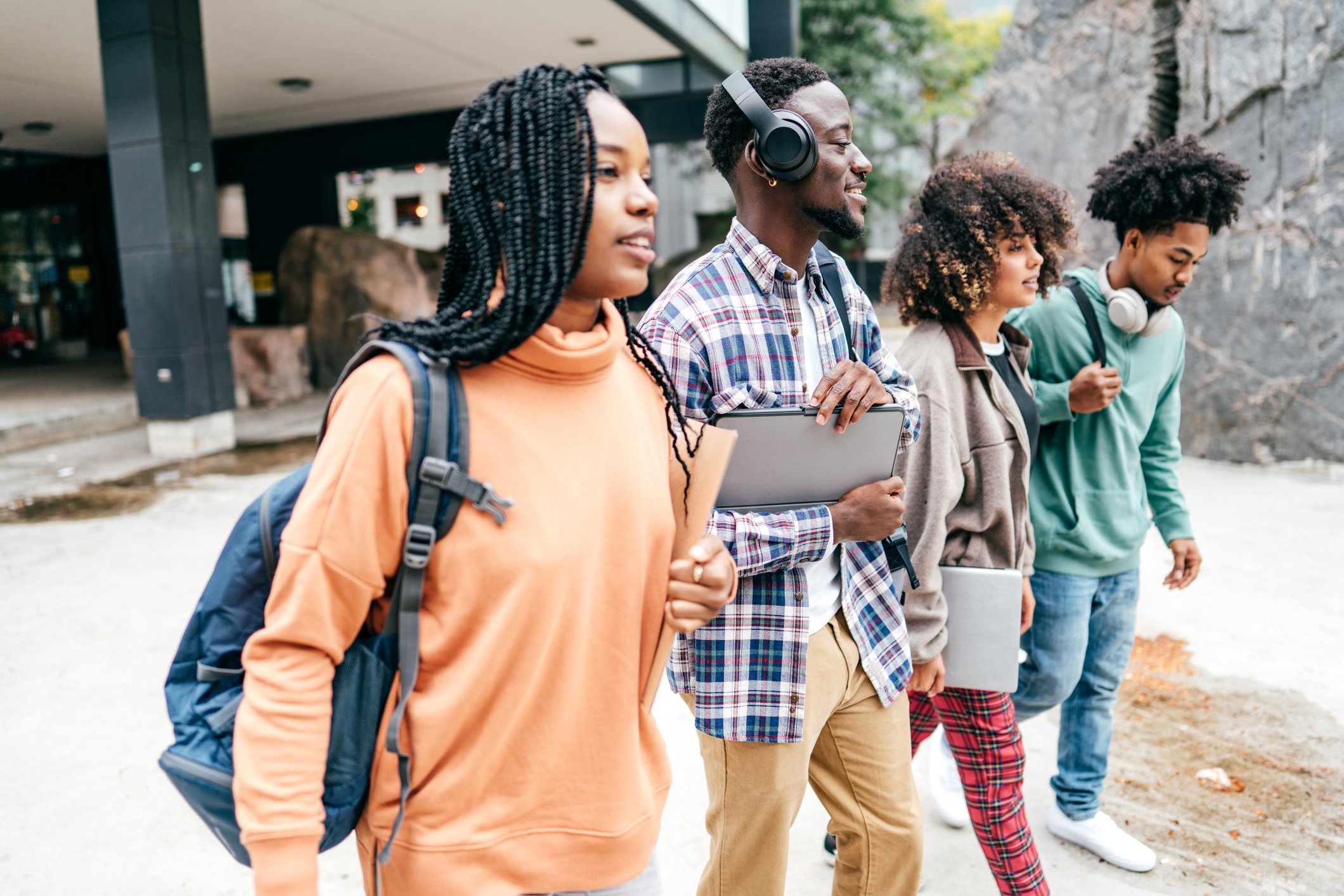
So now we have a moment — HBCU students are entering the AI ecosystem not just as future employees, but as active participants in how these tools are questioned, tested, and ultimately improved.
Yes — students gain valuable, marketable skills — but therein lies the double meaning.
AI systems, through aggregated and structured feedback loops, gain a deeper understanding of a broader range of human experiences.
That is a win-win, but only if companies are intentional about how they listen, what they measure, and whose input they prioritize.
Representation in AI is not just about who gets hired, it is also about who gets heard.
Call to Action
Students: Engage critically with AI, not just functionally. Look and listen for authenticity.
Employers: Get information from the source so you can build WITH diverse users, not just for them.
HBCU Institutions: Ensure these partnerships center both on access and on influence by creating ethical guidelines for interactions.
At The HBCU Career Center, we are trying to stay focused on all sides of this equation. We care about preparing talent, elevating voices and supporting inclusive work spaces.
Why? Because we believe that the future of AI will not just be built by the technology or one-sided partnerships, it will be shaped by people.